About Covid-19
What is the novel coronavirus?
A novel coronavirus (n-CoV) is a new strain of coronavirus. The disease caused by the novel coronavirus first identified in Wuhan, China, has been named coronavirus disease 2019 (COVID-19).
How does the novel coronavirus spread?
The virus is transmitted through direct contact with respiratory droplets of an infected person (generated through coughing and sneezing), and touching surfaces contaminated with the virus. The virus may survive on surfaces for several hours.
Corona Virus Symptoms
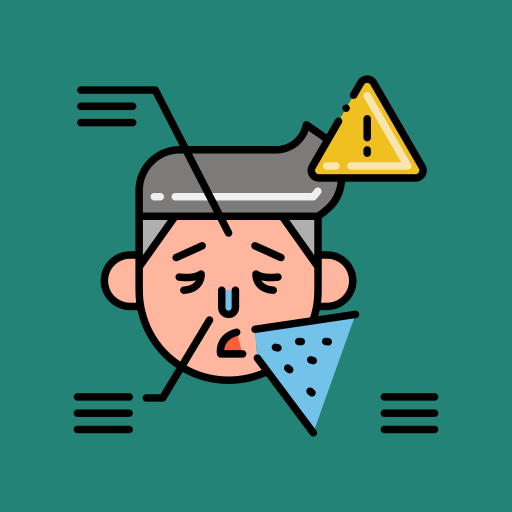
COUGH
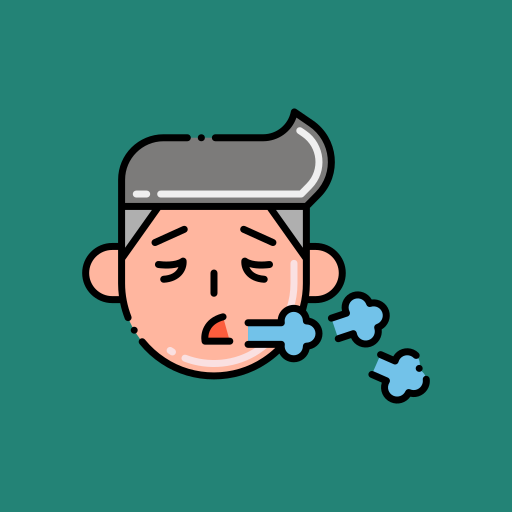
SHORTNESS OF BREATH
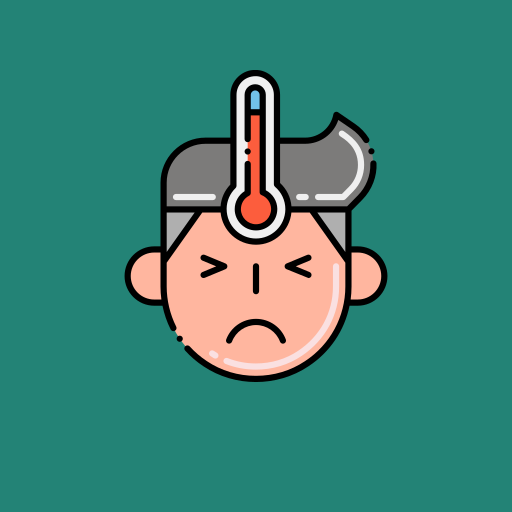
FEVER
Covid-19 Cases in Indonesia
CASES
RECOVERED
DEATHS
UNDER TREATMENT
ASEAN Countries Covid-19 Case
| No. | Country | Cases | Recovered | Deaths |
|---|
FAQ
The use of a medical mask is advised if you have respiratory symptoms (coughing or sneezing) to protect others. If you don’t have any symptoms, then there is no need to wear a mask.
If masks are worn, they must be used and disposed of properly to ensure their effectiveness and to avoid any increased risk of transmitting the virus.
The use of a mask alone is not enough to stop infections and must be combined with frequent hand washing, covering sneezes and coughs, and avoiding close contact with anyone with cold or flu-like symptoms (coughing, sneezing, fever).
All mothers in affected and at-risk areas who have symptoms of fever, cough or difficulty breathing, should seek medical care early, and follow instructions from a health care provider.
Considering the benefits of breastfeeding and the insignificant role of breastmilk in the transmission of other respiratory viruses, the mother can continue breastfeeding, while applying all the necessary precautions.
For symptomatic mothers well enough to breastfeed, this includes wearing a mask when near a child (including during feeding), washing hands before and after contact with the child (including feeding), and cleaning/disinfecting contaminated surfaces – as should be done in all cases where anyone with confirmed or suspected COVID-19 interacts with others, including children.
If a mother is too ill, she should be encouraged to express milk and give it to the child via a clean cup and/or spoon – all while following the same infection prevention methods.
At this time, there is not enough evidence to determine whether the virus is transmitted from a mother to her baby during pregnancy, or the potential impact this may have on the baby. This is currently being investigated. Pregnant women should continue to follow appropriate precautions to protect themselves from exposure to the virus, and seek medical care early, if experiencing symptoms, such as fever, cough or difficulty breathing.
You should seek medical care early if you or your child has a fever, cough or difficulty breathing. Consider calling ahead to tell your health care provider if you have traveled to an area where novel coronavirus has been reported, or if you have been in close contact with someone with who has traveled from one of these areas and has respiratory symptoms.
Anyone planning a trip overseas should always check the travel advisory for their destination country for any restrictions on entry, quarantine requirements on entry, or other relevant travel advice.
In addition to taking standard travel precautions, and in order to avoid being quarantined or denied re-entry into your home country, you are also advised to check the latest COVID-19 update on the International Air Transport Association website, which includes a list of countries and restriction measures
While traveling, all parents should follow standard hygiene measures for themselves and their children: Wash hands frequently or use an alcohol-based sanitizer with at least 60 per cent alcohol, practice good respiratory hygiene (cover your mouth and nose with your bent elbow or tissue when you cough or sneeze and immediately dispose of the used tissue) and avoid close contact with anyone who is coughing or sneezing. In addition, it is recommended that parents always carry a hand sanitizer, pack of disposable tissues, and disinfecting wipes.
Additional recommendations include: Clean your seat, armrest, touchscreen, etc. with a disinfecting wipe once inside an aircraft or other vehicle. Also use a disinfecting wipe to clean key surfaces, doorknobs, remote controls, etc at the hotel or other accommodation where you and your children are staying.
If your child is having symptoms, seek medical care, and follow the instructions from the health care provider. Otherwise, as with other respiratory infections like the flu, keep your child well rested at home while symptomatic, and avoid going to public places, to prevent spread to others.
If your child isn’t displaying any symptoms such as a fever or cough – and unless a public health advisory or other relevant warning or official advice has been issued affecting your child’s school – it’s best to keep your child in class.
Instead of keeping children out of school, teach them good hand and respiratory hygiene practices for school and elsewhere, like frequent handwashing (see below), covering cough or sneeze with a flexed elbow or tissue, then throwing away the tissue into a closed bin, not touching their eyes, mouths or noses if they haven’t properly washed their hands.
Wash your hands frequently using soap and water or an alcohol-based hand rub
Cover mouth and nose with flexed elbow or tissue when coughing or sneezing. Dispose of used tissue immediately
Avoid close contact with anyone who has cold or flu-like symptoms
Seek medical care early if you or your child has a fever, cough or difficulty breathing
Cover mouth and nose with flexed elbow or tissue when coughing or sneezing. Dispose of used tissue immediately
Avoid close contact with anyone who has cold or flu-like symptoms
Seek medical care early if you or your child has a fever, cough or difficulty breathing
Step 1: Wet hands with running water
Step 2: Apply enough soap to cover wet hands
Step 3: Scrub all surfaces of the hands – including back of hands, between fingers and under nails – for at least 20 seconds.
Step 4: Rinse thoroughly with running water
Step 5: Dry hands with a clean cloth or single-use towel
Wash your hands often, especially before eating; after blowing your nose, coughing, or sneezing; and going to the bathroom.
If soap and water are not readily available, use an alcohol-based hand sanitizer with at least 60% alcohol. Always wash hands with soap and water, if hands are visibly dirty.
Step 2: Apply enough soap to cover wet hands
Step 3: Scrub all surfaces of the hands – including back of hands, between fingers and under nails – for at least 20 seconds.
Step 4: Rinse thoroughly with running water
Step 5: Dry hands with a clean cloth or single-use towel
Wash your hands often, especially before eating; after blowing your nose, coughing, or sneezing; and going to the bathroom.
If soap and water are not readily available, use an alcohol-based hand sanitizer with at least 60% alcohol. Always wash hands with soap and water, if hands are visibly dirty.